No products in the cart.
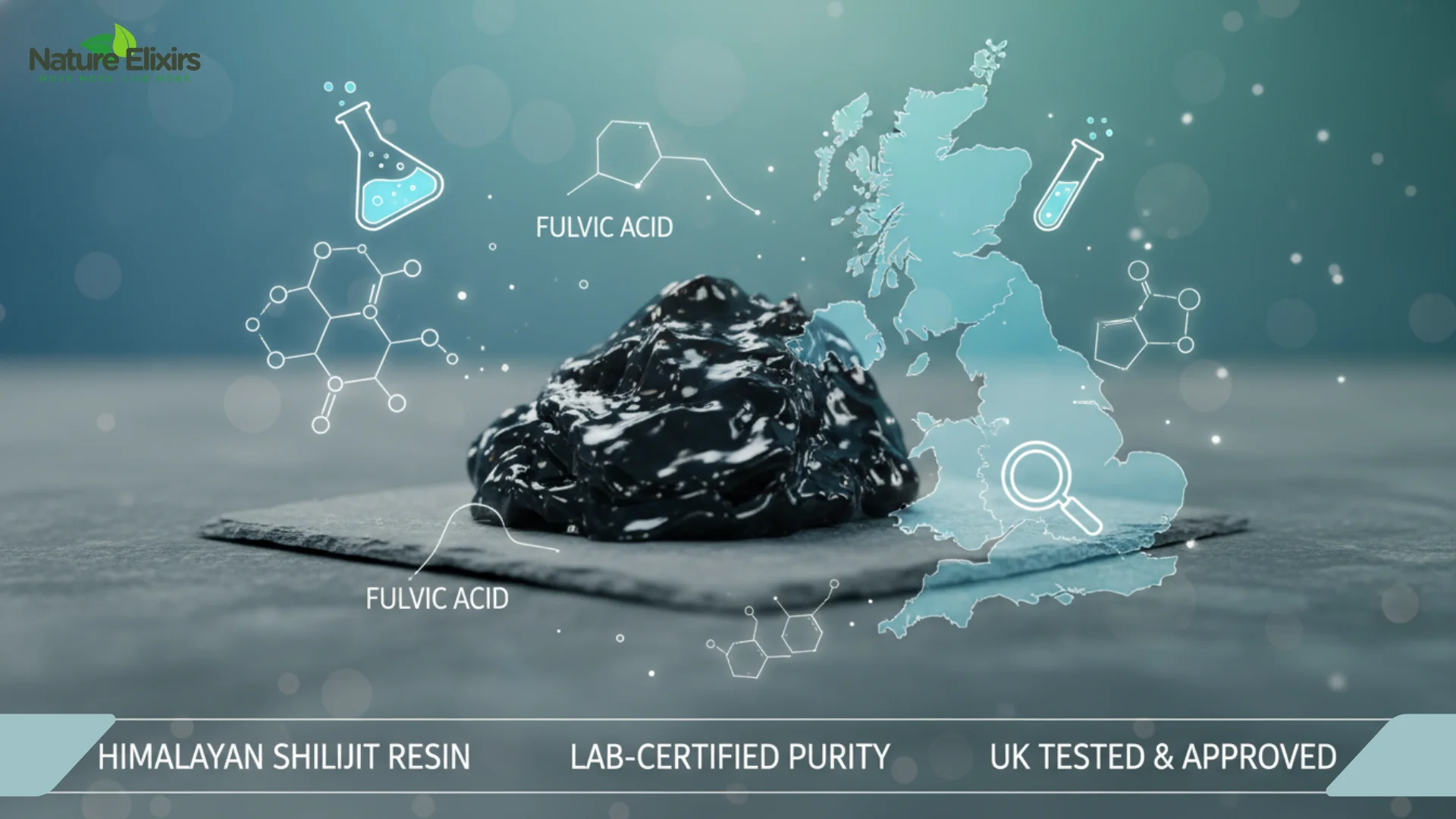
The growing interest in Pure Himalayan Shilajit resin across the United Kingdom has been accompanied by an expanding body of scientific research exploring this ancient substance. Also known as mineral pitch, mumiyo, or salajeet, this blackish-brown resin has been the subject of numerous peer-reviewed clinical studies examining its composition, bioactive compounds, and potential health applications.
For UK consumers seeking evidence-based information about Shilajit, understanding the current research landscape—including what studies have actually demonstrated and where evidence remains preliminary—is essential for making informed purchasing decisions.
This comprehensive review examines published clinical trials, laboratory research, and traditional uses, providing UK buyers with a transparent picture of what the scientific evidence actually suggests about authentic Himalayan Shilajit resin.
Shilajit, scientifically referred to as asphaltum punjabianum or bituminous substance, is a complex phytocomplex formed over centuries in high-altitude mountain ranges. Research has identified over 85 minerals and trace elements within authentic mountain resin, alongside several key bioactive compounds that have attracted scientific attention.
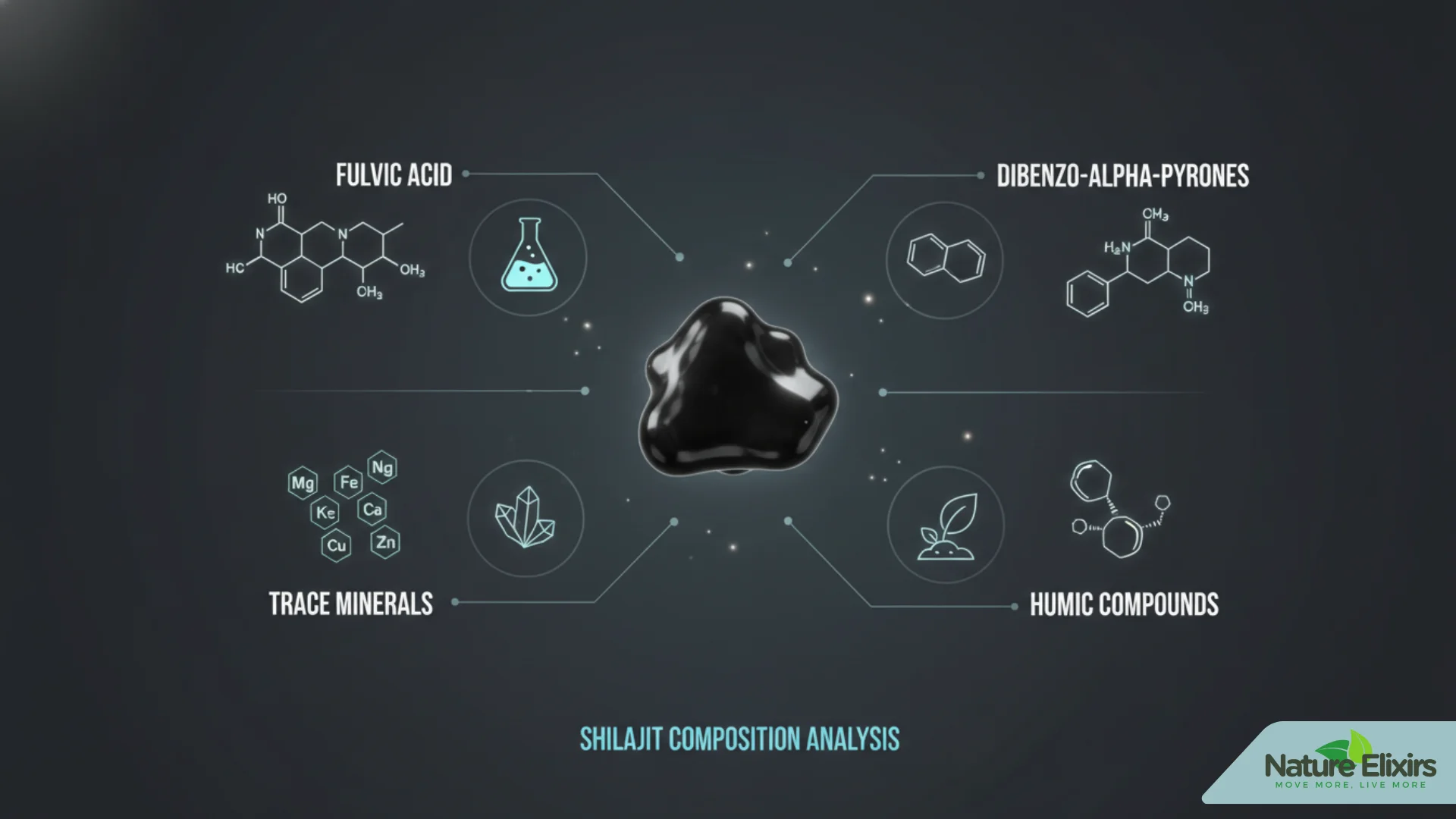
Multiple studies have focused on fulvic acid, the principal bioactive compound in genuine Shilajit resin. Research published in the Journal of Ethnopharmacology has examined how fulvic acid functions as a carrier molecule, potentially enhancing the bioavailability of minerals and nutrients.
The fulvic acid content in properly sourced Himalayan Shilajit typically ranges between 60-80%, though quality varies significantly between suppliers. UK consumers should look for products with verified fulvic acid content through independent laboratory testing.
Studies suggest that fulvic acid may support cellular function through its antioxidant properties, though researchers emphasise that more clinical trials are needed to fully understand these mechanisms in human populations.
Research has identified dibenzo-alpha-pyrones (DBPs) as signature compounds found specifically in authentic rock sap. A 2012 study in the Archives of Pharmacal Research examined how these unique molecules may interact with mitochondrial function, the cellular powerhouses responsible for energy production.
Whilst laboratory studies have shown promising results, researchers note that translating these findings to real-world health outcomes requires further investigation.
What This Means for UK Consumers: Authentic Himalayan Shilajit resin contains a complex mixture of bioactive compounds that distinguish it from simple mineral supplements. However, the presence of these compounds doesn’t guarantee specific health outcomes. UK buyers should prioritise suppliers who provide certificates of analysis confirming fulvic acid content and the absence of contaminants.
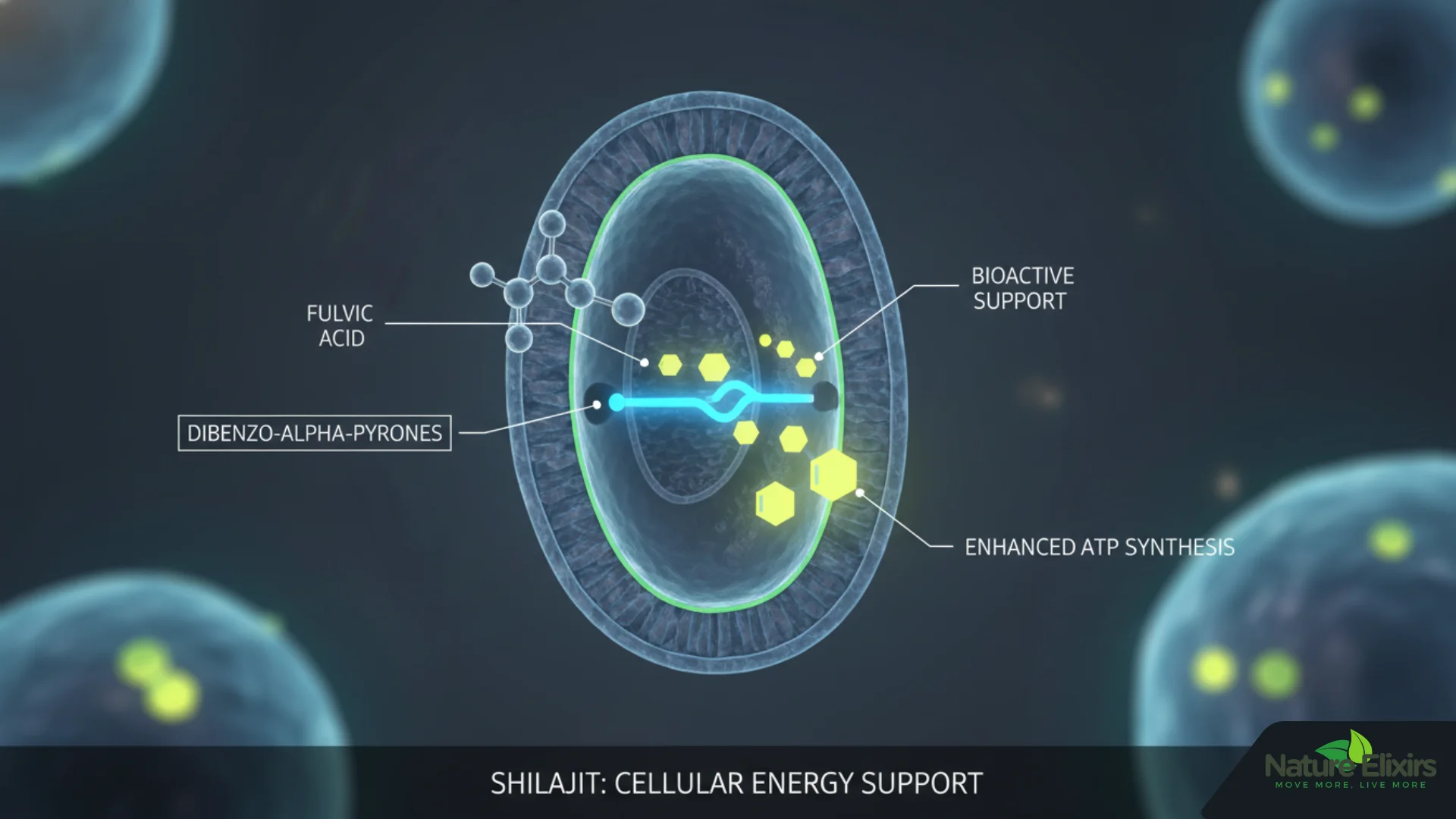
Several clinical trials have explored Shilajit’s traditional reputation as the “destroyer of weakness,” examining its effects on energy levels and physical performance in human participants.
A randomised, double-blind, placebo-controlled study published in the Journal of Medicinal Food investigated Shilajit supplementation in healthy volunteers. Researchers observed markers associated with mitochondrial energy production, finding that participants taking purified Shilajit showed changes in certain biomarkers related to cellular energy metabolism.
The study authors concluded that Shilajit “may help support” energy production at the cellular level, though they emphasised the preliminary nature of their findings.
Research conducted on athletic populations has examined whether Shilajit supplementation is associated with improved exercise capacity. A study involving physically active adults found that participants taking Shilajit resin showed modest improvements in skeletal muscle adaptation to exercise compared to placebo groups.
However, researchers noted considerable individual variation and called for larger studies to confirm these preliminary observations.
What This Means for UK Consumers: Early research suggests potential benefits for cellular energy and physical performance, but evidence remains preliminary. UK buyers interested in supporting energy levels should maintain realistic expectations and view Shilajit as one component of a broader wellness approach rather than a guaranteed performance enhancer.
The traditional use of mumijo for cognitive support has prompted several investigations into its potential neurological effects, though all research remains at early stages.
Laboratory studies using cell cultures have explored whether components in Shilajit, particularly fulvic acid, might influence processes associated with cognitive function. A comprehensive review published in the International Journal of Alzheimer’s Disease examined the theoretical mechanisms by which fulvic acid could potentially support brain health.
Study Details: Tau Protein Aggregation Mechanism
Researchers identified that fulvic acid may interact with tau protein, a structural protein in neurons that can form harmful aggregates in certain neurodegenerative conditions. In laboratory models, fulvic acid demonstrated the ability to inhibit tau protein self-aggregation and disassemble already-formed tau fibrils through specific molecular interactions.
The proposed mechanism involves fulvic acid binding to tau protein’s repeat regions, potentially preventing the conformational changes that lead to aggregation. However, researchers explicitly noted these findings come from isolated protein studies and cell culture models, not human clinical trials.
This represents early-stage laboratory research exploring potential mechanisms. There are no clinical studies demonstrating that Shilajit affects tau protein in living humans, and UK consumers should not interpret these laboratory findings as evidence that Shilajit treats, prevents, or influences any neurological condition.
Animal studies have investigated whether Shilajit administration is associated with improved performance in memory tasks. Whilst some studies reported positive associations, the relevance of animal research to human cognitive function remains uncertain, and responsible researchers avoid making direct claims based solely on animal data.
What This Means for UK Consumers: Laboratory research has identified interesting mechanisms related to brain health, but this doesn’t translate to proven cognitive benefits in humans. UK buyers seeking support for cognitive function should understand the significant gap between laboratory discoveries and validated human health outcomes. These findings represent potential areas for future research rather than established benefits.
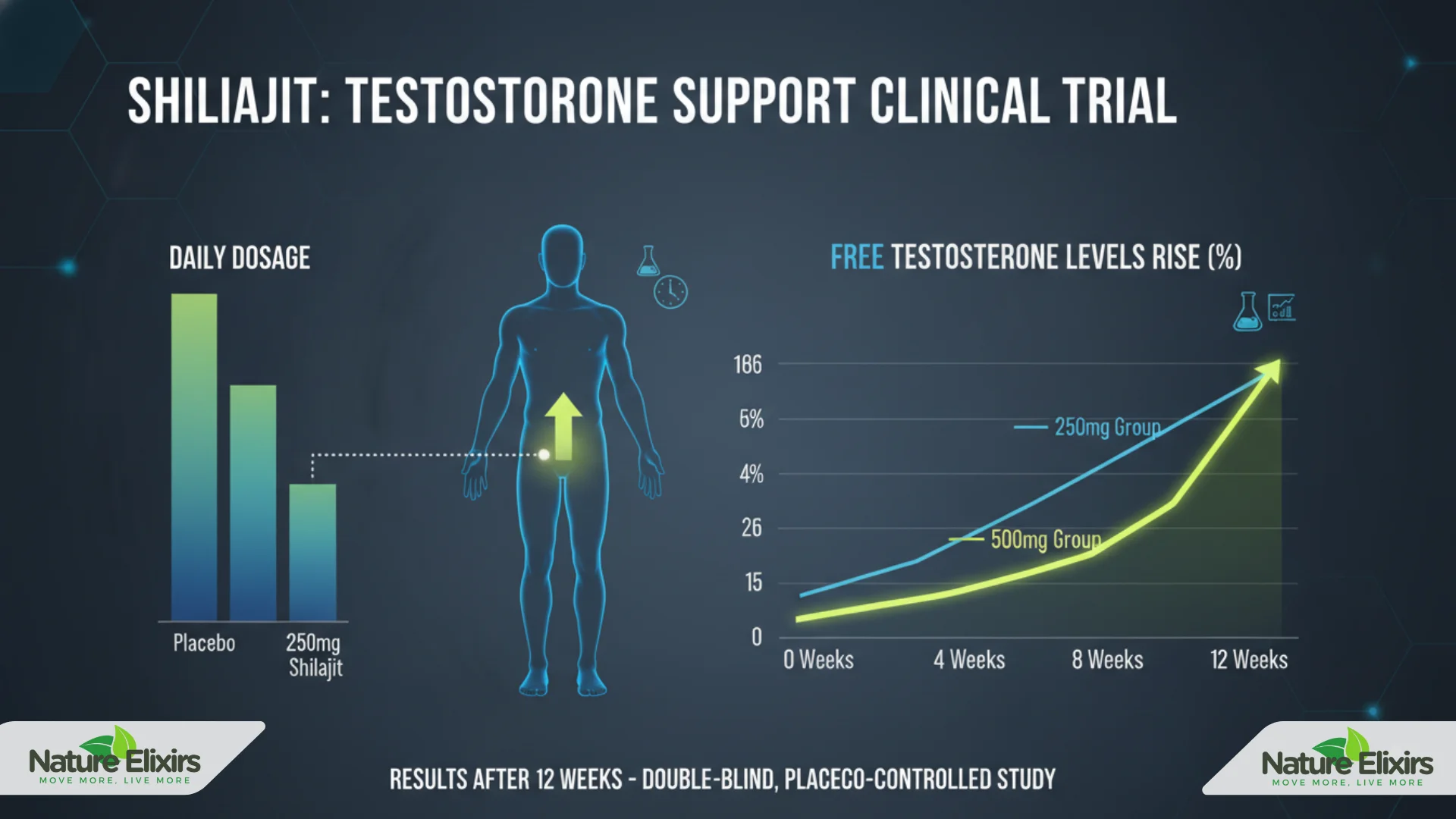
Clinical studies examining hormonal effects have been conducted primarily in male populations experiencing low testosterone levels, providing some of the more robust evidence in Shilajit research.
A 90-day randomised, double-blind, placebo-controlled clinical trial published in the journal Andrologia (PubMed ID: 26395129) investigated purified Shilajit supplementation in men aged 45-55 with low testosterone.
Study Details: Testosterone Research
The study authors carefully noted that participants were specifically screened for low testosterone at baseline, and results may not apply to men with testosterone levels already within normal physiological ranges. They concluded that purified Shilajit “may support” healthy testosterone levels in middle-aged men with low baseline values.
This represents one of the more methodologically sound human clinical trials in Shilajit research, though the relatively small sample size and specific population studied mean results should be interpreted with appropriate caution.
What This Means for UK Consumers: This clinical trial provides preliminary evidence that Shilajit may support healthy testosterone levels in men with low baseline values. However, this does not constitute a medical treatment for hormonal disorders or testosterone deficiency. UK buyers concerned about testosterone levels should consult their GP for proper assessment and medical advice rather than self-treating with supplements. The study used purified, tested Shilajit—quality that not all commercial products meet.
Multiple laboratory studies have examined the antioxidant capacity of authentic Himalayan resin using various biochemical assays.
Research published in Phytotherapy Research demonstrated that Shilajit exhibits significant free radical scavenging activity in laboratory tests. The study identified several mechanisms through which bioactive compounds in rock juice may help neutralise oxidative stress, including the donation of electrons to unstable molecules and the chelation of pro-oxidant metals.
Studies on inflammatory markers have shown that Shilajit extracts can modulate certain inflammatory pathways in cell culture models. However, researchers emphasise that laboratory anti-inflammatory activity does not automatically translate to clinical benefits in humans with inflammatory conditions.
What This Means for UK Consumers: Laboratory evidence for antioxidant properties is encouraging but doesn’t prove that consuming Shilajit provides measurable antioxidant benefits in the body. The biological activity observed in test tubes doesn’t always translate to real-world health outcomes. UK buyers should view potential antioxidant support as a theoretical benefit rather than a guaranteed effect.
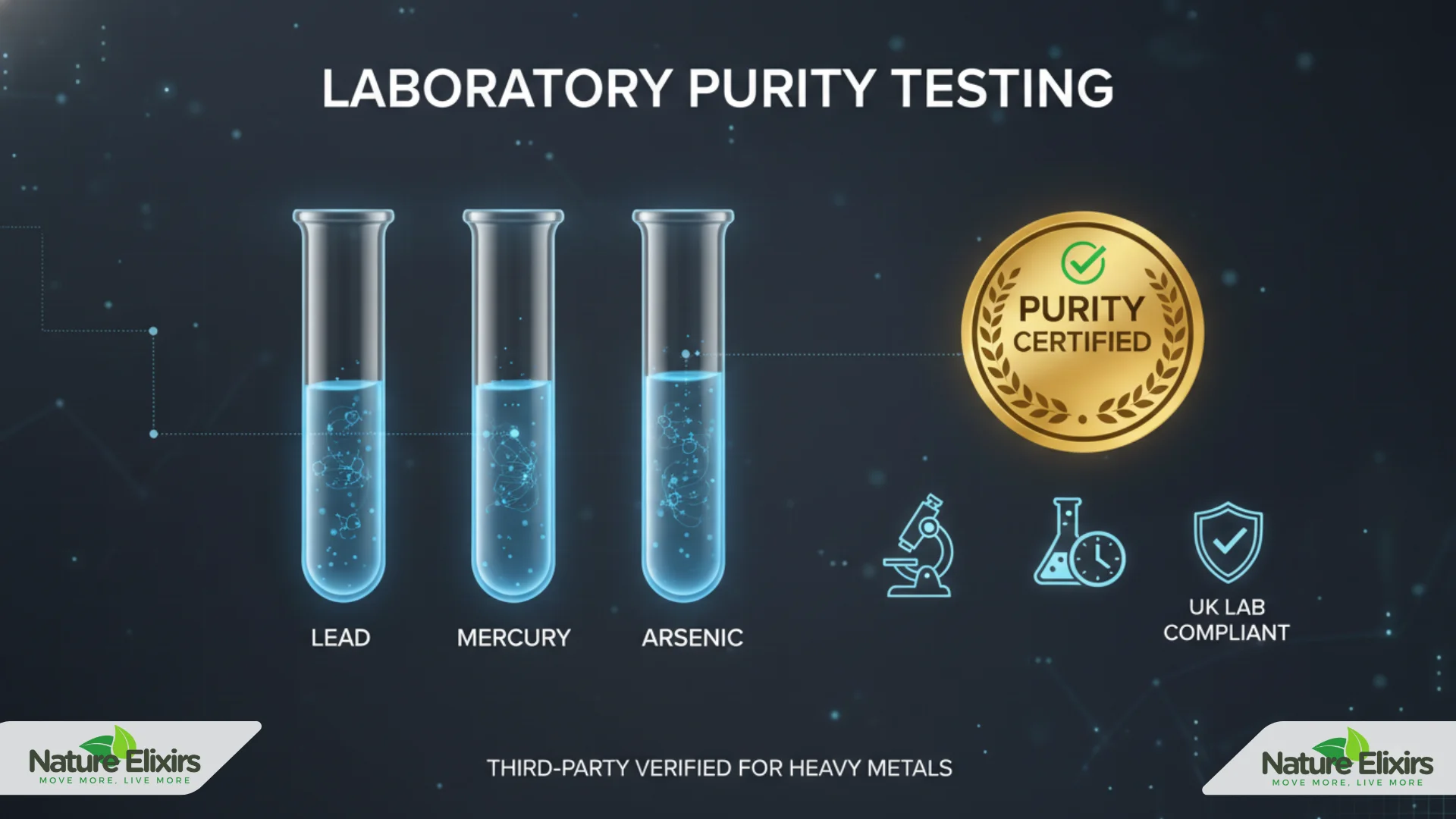
Given that Shilajit is a mineral pitch collected from rock formations, concerns about heavy metal contamination have prompted important safety research that UK consumers should be aware of.
Studies analysing commercial Shilajit products have found considerable variation in heavy metal content, with some samples exceeding safety limits for lead, mercury, or arsenic. Research published in the Journal of Ethnopharmacology emphasised the critical importance of purification processes and quality control in producing safe Shilajit supplements.
A 2010 safety analysis tested multiple commercially available Shilajit products and found that improperly processed samples contained heavy metal levels that would pose health risks with regular consumption. Conversely, properly purified Shilajit that underwent appropriate processing showed heavy metal levels well within UK and EU safety thresholds.
UK consumers should seek suppliers who provide independent laboratory testing certificates confirming heavy metal levels meet UK Food Standards Agency and EU regulatory safety standards. Reputable Shilajit UK suppliers typically test each batch for contaminants including lead, arsenic, mercury, and cadmium, making these certificates of analysis available to customers.
What This Means for UK Consumers: Product quality and safety vary dramatically between suppliers. Always choose Shilajit that comes with current batch-specific laboratory testing confirming it meets UK and EU heavy metal safety limits. This isn’t optional—it’s essential for safe consumption. Avoid products without transparent testing documentation.
Whilst Shilajit has been used in Ayurvedic and traditional medicine systems for centuries—often called the “conqueror of mountains”—it’s important to distinguish between traditional uses and scientifically validated effects.
Traditional practitioners have employed shilajatu for numerous purposes, including supporting vitality, longevity, and overall wellness. Modern research has begun investigating some of these traditional applications, but many claimed benefits remain unproven in rigorous clinical trials.
The gap between traditional use and clinical evidence doesn’t invalidate either perspective, but UK consumers deserve transparent information about which effects have scientific support and which remain based primarily on historical use.
What This Means for UK Consumers: Traditional use spanning centuries provides context but not proof of specific health benefits. UK buyers should appreciate Shilajit’s cultural and historical significance whilst maintaining evidence-based expectations about what current research has actually demonstrated.
Current Shilajit research faces several important limitations that UK consumers should understand when evaluating claims:
Standardisation Issues: Studies have used varying Shilajit preparations with different processing methods, making direct comparisons difficult. There is no universally accepted standard for what constitutes “authentic” Shilajit in research contexts.
Small Sample Sizes: Many clinical trials have involved relatively few participants (often fewer than 100), limiting the generalisability of findings to broader populations.
Short Duration: Most human studies have examined effects over weeks or months rather than years, leaving long-term effects largely unexplored.
Publication Bias: Studies showing positive results are more likely to be published than those finding no effect, potentially skewing the apparent evidence base towards favourable outcomes.
Geographic and Processing Variation: Shilajit sourced from different mountain ranges and processed using different purification methods may have different compositions, making it unclear whether findings apply to all Shilajit products.
Researchers have called for larger, longer-duration trials using standardised Shilajit preparations to build a more robust evidence base. Until such research is conducted, many potential benefits remain theoretically plausible but scientifically unconfirmed.
What This Means for UK Consumers: The current evidence base provides promising preliminary findings but falls short of definitive proof for most claimed benefits. UK buyers should approach Shilajit with informed optimism rather than certainty, recognising that research continues to evolve.
When evaluating Shilajit research and considering whether authentic Himalayan Shilajit resin aligns with your wellness goals, UK consumers should consider several key factors:
Evidence Quality: The strongest evidence exists for potential effects on testosterone levels in men with low baseline values and for the presence of bioactive compounds with antioxidant properties in laboratory settings. Evidence for cognitive support, energy enhancement, and other benefits remains preliminary.
Product Quality: Research-grade Shilajit used in clinical studies undergoes extensive purification and testing—standards that not all commercial products meet. Quality varies enormously between products marketed as “Shilajit UK” supplements.
Safety Verification: Only consider products with current, batch-specific laboratory testing confirming they meet UK and EU safety standards for heavy metals and contaminants. This documentation should be readily available from reputable suppliers.
Realistic Expectations: View Shilajit as a natural supplement that may support various aspects of health and wellbeing rather than a medicine or guaranteed solution. The available evidence suggests potential benefits but doesn’t prove transformative or therapeutic effects.
Professional Guidance: If you’re taking medications, have existing health conditions, or are considering Shilajit for specific health concerns, consult your GP or healthcare provider before starting supplementation.
Source Verification: Choose suppliers who provide transparency about sourcing (specific Himalayan regions), processing methods (purification techniques), and testing protocols (independent laboratory verification).
The research landscape surrounding this ancient mountain resin continues to evolve. By staying informed about both the potential and the limitations of current evidence, UK consumers can make educated decisions grounded in scientific reality rather than marketing claims.
Has Shilajit been proven to cure any diseases?
No. Whilst research has examined various health-related effects, no clinical studies have demonstrated that Shilajit treats, cures, or prevents any disease. It is a natural resin supplement, not a medicine. UK regulations prohibit making medical claims about food supplements.
Are the studies on Shilajit reliable?
Study quality varies considerably. Some research meets rigorous clinical trial standards (randomised, double-blind, placebo-controlled), whilst other studies have methodological limitations. The overall evidence base is growing but remains preliminary for many claimed benefits. UK buyers should look for products backed by published peer-reviewed research.
Do UK regulations recognise Shilajit’s health benefits?
Shilajit is sold as a food supplement in the UK, not a medicine. Suppliers cannot make medical claims without authorisation from regulatory bodies. The MHRA (Medicines and Healthcare products Regulatory Agency) and ASA (Advertising Standards Authority) strictly regulate what can be claimed about supplements sold in the UK.
How much Shilajit was used in research studies?
Clinical studies have typically used doses ranging from 250mg to 500mg daily. The most robust testosterone study used 250mg twice daily (500mg total). Specific amounts and formulations vary between studies, and optimal dosing for different purposes remains unclear.
Is Shilajit safe according to research?
Safety studies suggest that purified, properly processed Shilajit is generally well-tolerated when taken as directed by healthy adults. However, contaminated or adulterated products pose potential risks. Always choose tested, certified suppliers who meet UK and EU safety standards. Pregnant or nursing women and individuals with health conditions should consult healthcare providers before use.
Where can I find laboratory testing for UK Shilajit products?
Reputable UK suppliers provide certificates of analysis (CoA) for each product batch, showing testing results for heavy metals, fulvic acid content, and microbial contamination. These should be from independent, accredited laboratories and should be current (tested within the past year). If a supplier cannot provide this documentation, consider alternative sources.
Whilst research suggests that properly purified Shilajit resin is generally well-tolerated by healthy adults, individual responses vary. This information is for educational purposes and does not constitute medical advice.
Shilajit is a natural supplement, not a medicine, and should not be used to treat, diagnose, or prevent any medical condition.
Pregnant or nursing women, individuals taking medications, and those with existing health conditions should consult their GP or healthcare provider before using Shilajit or any supplement. If you experience adverse reactions, discontinue use immediately and seek medical advice.
UK consumers should only purchase Shilajit products that meet UK Food Standards Agency and EU regulatory requirements, with transparent testing documentation confirming safety and purity.
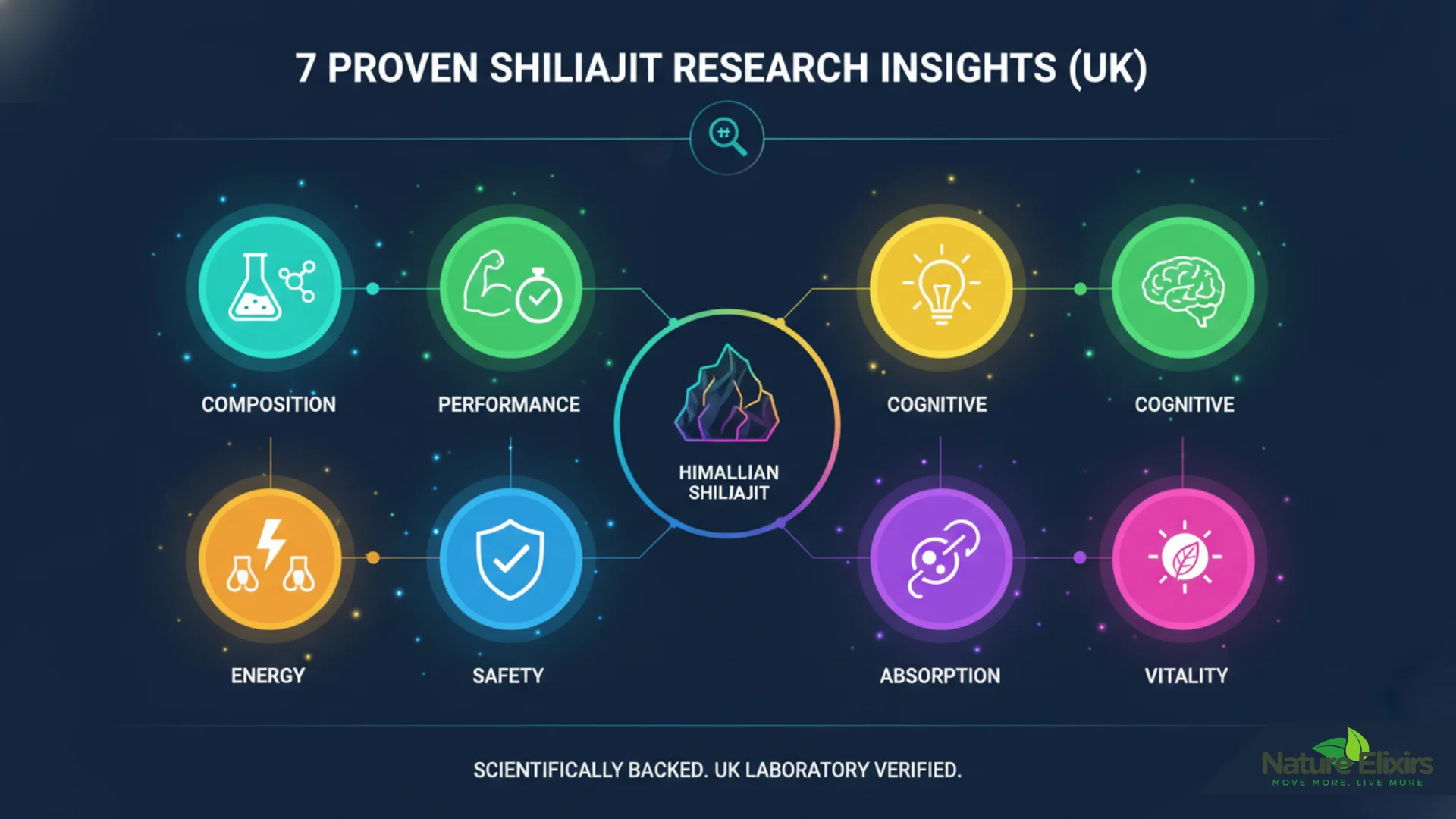
Current scientific research indicates that authentic, purified Himalayan Shilajit resin contains bioactive compounds—most notably fulvic acid and dibenzo-alpha-pyrones—that have demonstrated biological activity in laboratory settings and limited but promising effects in controlled human studies.
The strongest human clinical evidence relates to:
Other commonly discussed areas—such as cognitive support, antioxidant activity, and physical performance—are currently supported primarily by in-vitro (laboratory) and animal research, not by large-scale human clinical trials.
Importantly, published studies consistently emphasise that:
For UK buyers, the evidence supports a measured, evidence-led view: Shilajit may support certain physiological processes when properly sourced and purified, but it does not diagnose, treat, or prevent disease and should not replace medical care.
Further Reading: Explore our comprehensive guide to choosing authentic Himalayan Shilajit resin, review independent laboratory testing and quality standards, or learn more about traditional uses and modern applications of this ancient wellness supplement.
For UK buyers seeking evidence-based wellness solutions, understanding the research behind Shilajit—including both its promise and its limitations—empowers informed decision-making aligned with personal health goals and scientific reality.