Pure Himalayan shilajit resin has become one of the most discussed natural wellness supplements in the UK, especially among individuals seeking natural energy support, improved stamina, and overall balance. Although many people encounter it through modern supplements, this resin has a long history stretching back centuries across high mountain regions where it naturally forms.
This guide gathers everything a UK reader might want to know — from its mountain origins and composition to benefits, usage methods, and safety considerations. Each section is written to provide clarity, remove confusion, and help readers make informed decisions when considering high-quality resin products.
Understanding Pure Himalayan Shilajit Resin
What This Natural Resin Is and How It Forms
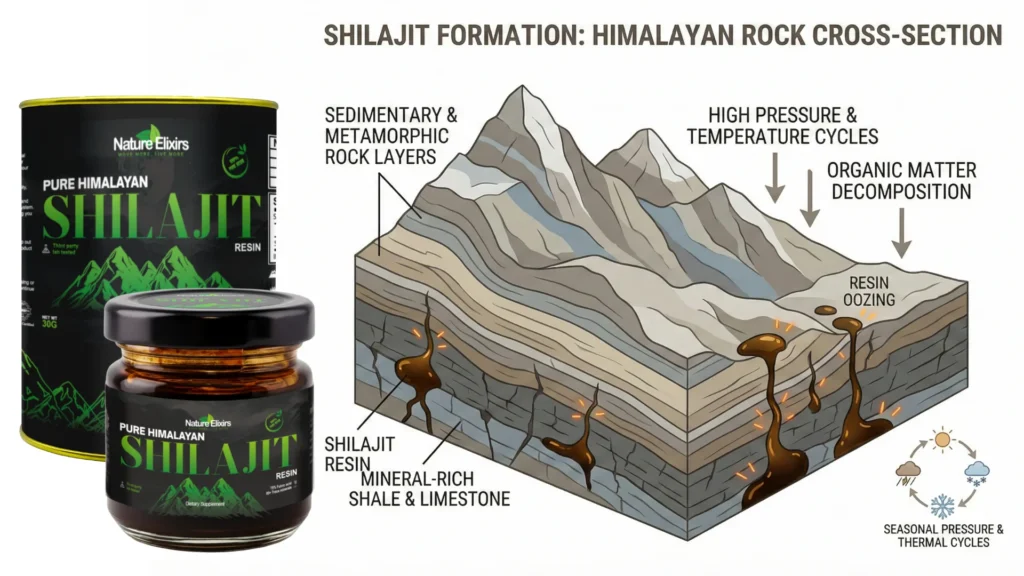
Shilajit is a naturally occurring resin that develops over hundreds, sometimes thousands, of years from the gradual breakdown of plant material, organic compounds, and minerals trapped within high-altitude rock layers. When temperatures rise during warmer seasons, the material softens and appears on the surface of mountain rocks as a sticky, tar-like exudate.
The areas known for producing the most sought-after forms include regions such as the Himalayas, Gilgit Baltistan, and parts of the Nepalese mountains. These regions offer specific geological conditions — including pressure, climate, altitude, and mineral density — that contribute to the resin’s unique profile.
Because this material forms naturally rather than being manufactured, every batch is slightly different, although good-quality resin typically shows a dense, glossy appearance with a distinctive earthy aroma. Traditional collectors gather it by hand before it undergoes careful purification.
Why High-Altitude Mountain Sources Matter
Altitude plays an important role in determining quality and nutrient density. Resin originating from mountains that exceed several thousand meters is often richer in minerals and bioactive compounds because:
the surrounding rock contains a broad spectrum of mineral deposits
lower pollution levels help maintain purity
colder climates slow decomposition, preserving organic compounds
microbial activity at altitude contributes to unique nutrient structures
These natural factors create a type of resin that many consider more potent than forms harvested at lower elevations. High-mountain material tends to show higher concentrations of beneficial organic complexes and mineral-based compounds.
Traditional Harvesting and Purification Methods
In mountain communities, harvesting the resin is considered a respected skill. Local collectors climb steep, rocky slopes to gather the material directly from the surfaces where it emerges. This hand-collection method ensures minimal contamination because no artificial tools or industrial processes influence the raw substance.
Once collected, the resin typically goes through a gentle sun-warming process and a water-based filtration technique to remove sand and natural impurities. This method avoids chemical interference while keeping the structure intact. Many traditional practitioners believe that minimal processing helps preserve the resin’s natural balance, making it more aligned with its historical use in classical wellness systems.
Types of Shilajit and How They Differ
Shilajit is found in several mountain regions, and although the core substance is similar, each region has its own characteristics based on climate, altitude, geology, and mineral structure. Understanding these differences helps people choose the type that best matches their needs and preferences.
Resin
This is the most traditional and widely preferred form. Resin is sticky, tar-like, and closest to how Shilajit appears in nature after purification. Because it undergoes minimal processing, many people feel it retains the broadest spectrum of nutrients. Resin dissolves easily in warm water or milk, and only a tiny amount is needed. Users often prefer it for daily use because it feels more “authentic” and offers a balanced effect.
Powder
Powder is created by drying purified Shilajit until it becomes solid and then grinding it into a fine texture. It is easy to measure, mix, and travel with. Some people prefer powder when they want a cleaner taste or when they need to add Shilajit into smoothies, teas, or wellness recipes. While still effective, its texture and flavor are milder compared to resin.
Capsules
Capsules are the simplest for those who want convenience. There is no taste, no mixing, and no measuring. This format is often chosen by people who prefer a structured supplementation routine. It’s helpful for those who dislike the strong natural aroma or don’t want to handle resin.
Differences by Region
Shilajit from different regions can vary in mineral richness, texture, aroma, and potency. Mountain altitude, soil composition, and surrounding plants all influence the final substance. Some varieties are smoother and more refined in taste, while others have a stronger natural aroma. These differences don’t necessarily indicate “better” or “worse,” but rather unique characteristics shaped by nature.
Which Type Is Best?
There isn’t a universal answer — it depends on personal preference. Some prefer the purity of resin, others enjoy the convenience of capsules, and some like powder for blending into drinks. The most important factor is choosing a clean source and a reputable purification process.
Purity, Origin, and Quality Indicators
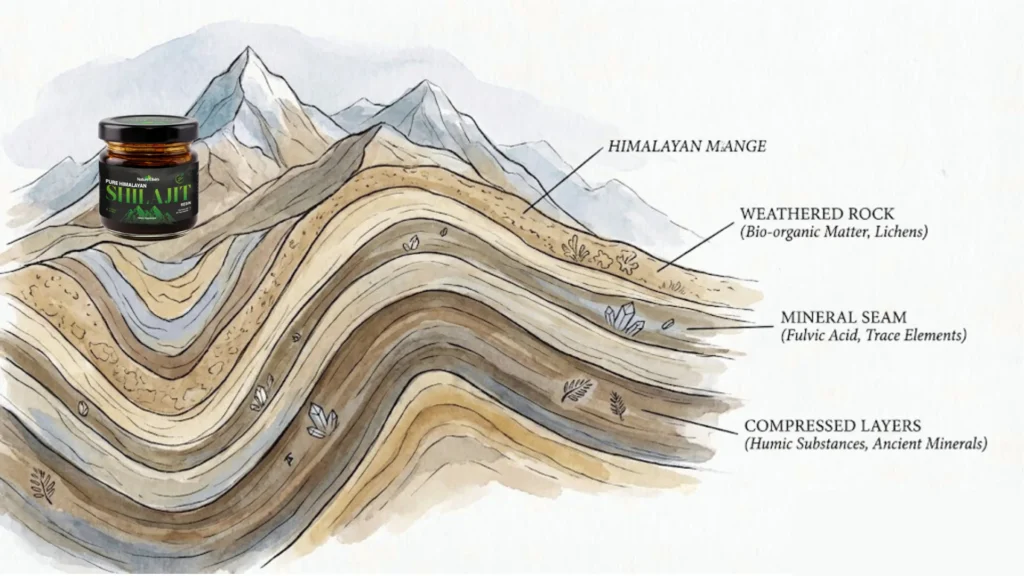
Understanding purity and origin is the most important part of choosing Shilajit. Shilajit doesn’t form in ordinary mountains — it develops only in extremely high altitudes where layers of herbs, minerals, and organic matter compress for centuries. As altitude increases, the purity generally increases as well. Cold, untouched mountain environments act like natural filters, keeping contaminants away and allowing Shilajit to form with greater mineral density.
Among all forms, resin is considered the purest and most natural. It stays closest to the substance collected in the mountains, only undergoing careful purification to remove sand or debris. Because of this minimal processing, resin tends to reflect the genuine characteristics of high-altitude Shilajit better than powders or capsules. This is why many experts regard a clean, well-purified resin as the gold standard.
Premium brands that source from elevated regions often stand out, and a high-quality shilajit supplement that follow strict, high-altitude sourcing and modern purification methods while keeping the product’s natural composition intact is always best choice.
Signs of Genuine Mountain-Derived Resin
Authentic resin has a few unmistakable qualities:
- Consistency: Real resin is thick, sticky, and becomes softer when warmed by hand. It doesn’t crumble like cheap imitations.
- Dissolving behavior: Pure resin dissolves smoothly in warm water or milk without leaving gritty particles.
- Aroma and taste: Genuine material has a deep earthy smell and a subtle sharpness. It should never have a chemical scent.
- Behavior in cold: When placed in the refrigerator, it becomes firmer, but not rock-hard.
- Appearance: A natural dark brown to black color with a glossy sheen is typical. Anything overly shiny, watery, or unusually pale is a red flag.
Brands that specialize in high-altitude sourcing, take great care to ensure the resin maintains these natural characteristics.
How to Identify Premium-Grade Material
Premium-grade Shilajit can be recognized through a combination of sourcing, handling, and purity indicators:
- Altitude: Higher-altitude sourcing typically means cleaner, denser, and more potent material.
- Purification method: Heat-free or low-heat purification is preferred to maintain mineral integrity and the sun dried is the best.
- Packaging: High-quality resin is packed in airtight glass containers to protect its natural properties.
- Transparency: Trustworthy brands provide detailed information on origin, extraction methods, and testing.
Resin that maintains a natural texture, dissolves well, and comes with documented testing is usually a good sign that you’re getting authentic, mountain-derived material. A good shilajit follows this quality approach by focusing on altitude, purity, and responsible harvesting.
Comparing Regional Sources and Their Differences
Different regions produce Shilajit with slightly different characteristics:
- Himalayan regions offer some of the highest-altitude formations, usually resulting in rich mineral profiles and smooth texture.
- Central Asian regions can produce heavier, thicker material with a strong aroma due to environmental variations.
- Local mountain ranges in certain regions may offer lower-altitude material, which tends to be less concentrated but still valuable when properly purified.
None of these regions are inherently “bad,” but the defining factor is altitude and cleanliness. Higher peaks naturally create a purer, more refined Shilajit, which is why many people prefer resin sourced from elevated zones.
Lab Testing, Safety Checks, and UK-Compliant Standards
High-quality Shilajit must undergo strict safety checks. Premium brands perform:
- Heavy metal testing
- Microbial analysis
- Pesticide screening
- Authenticity verification
For products sold in regions like the UK, meeting local compliance standards is essential. These checks ensure the resin is safe, clean, and free from harmful contaminants.
A high-quality shilajit Shilajit adheres to these testing standards, providing batch-level transparency so customers can feel confident about what they’re consuming.
Composition and Scientific Properties
Shilajit is naturally complex, formed over centuries through the slow decomposition of mineral-rich plants under extreme mountain pressure. This unique process—especially in higher altitudes—creates a substance with a dense concentration of bioactive compounds. As altitude increases, environmental purity improves, and so does the quality of the Shilajit that forms there. This is one reason resin from elevated regions is considered the cleanest and most genuine form.
Well-purified resin contains a remarkable spectrum of minerals, trace elements, organic acids, and plant compounds working in harmony. High-quality options, a high-quality shilajit supplement maintain this complexity and naturally deliver 85+ minerals along with a high fulvic content of more than 75%, making it one of the strongest natural rejuvenators known in traditional and modern wellness.
Key Bioactive Components and Mineral Density
Shilajit’s composition is exceptionally mineral-rich because it originates from layers of ancient plant matter fused into rock over thousands of years. When naturally processed through heat-free or low-heat purification, the resin retains:
- Essential minerals like magnesium, zinc, calcium, iron, and potassium
- Trace elements required for cellular function
- Fulvic and humic acids, which enhance nutrient absorption
- Amino acids that support overall vitality
- Antioxidant compounds that help neutralize everyday oxidative stress
These minerals exist in ionic form, meaning the body can absorb them easily. Resin sourced from higher elevations tends to have higher density and purity because it forms in cleaner, untouched geological environments. Brands that follow altitude-based sourcing—a high-quality shilajit supplement—naturally maintain a richer mineral spectrum.
Natural Complexes That Support Energy and Recovery
Beyond minerals, Shilajit contains unique organic complexes that support cellular energy, stamina, hydration, and recovery. Some of these compounds help the body produce ATP (the molecule responsible for energy generation). Others assist in tissue repair and post-activity recovery.
This is why people often describe a steady rise in vitality rather than a sudden boost; the support comes at a cellular level. Traditional wellness systems have valued Shilajit for centuries due to its ability to restore strength, promote endurance, and balance natural functions.
Resin is especially valued in this regard because it carries the full spectrum of these naturally occurring complexes with minimal processing and maximum preservation.
Why Fulvic-Rich Substances Are Highly Valued
Fulvic acid is one of the most important components of Shilajit. It acts as a transport agent within the body—helping minerals move efficiently into cells while carrying waste products out. Higher fulvic content means better nutrient absorption and more effective cellular activity.
This is why fulvic-rich resin, especially those with more than 75% fulvic acid, is considered premium. It ensures the body receives a more potent and comprehensive effect from each serving.
Shilajit sourced from high-altitude mountain ranges naturally develops a stronger fulvic profile due to the colder environment, cleaner soil layers, and longer decomposition cycles. Product like a high-quality shilajit are valued for maintaining this high fulvic level while preserving the natural integrity of the resin.
Health Benefits and Wellness Support
Shilajit has been valued for centuries as a natural rejuvenator, and modern research continues to highlight why. Its dense mineral composition, high fulvic content, and organic complexes work together to support overall wellness. Resin—especially when collected from higher mountain ranges—retains these nutrients in their most authentic form. This is why resin is generally considered the purest and most effective type, with purity naturally increasing at higher altitudes.
Products that preserve this structure, offer a rich blend of 85+ minerals along with more than 75% fulvic acid, making them a strong all-rounder for daily vitality and long-term wellness.

How Shilajit Works Inside the Body
Shilajit supports the body through a mix of minerals, trace elements, and organic compounds that help different biological systems function more efficiently. Its most important component is fulvic acid — a natural compound that helps the body absorb nutrients at a deeper cellular level. Instead of acting like a quick stimulant, it works gradually by improving how cells use energy.
One of the main reasons people experience better stamina after regular use is that it enhances the production of the molecule responsible for cellular energy. When cells produce energy more efficiently, the whole body feels more active, balanced, and focused.
Shilajit also contains natural antioxidants that help protect the body from daily stress, environmental factors, and the internal wear-and-tear that comes with aging. These compounds support the brain, the immune system, and the body’s natural ability to stay balanced.
Another important role it plays is supporting mineral replenishment. Modern diets often lack essential micro-minerals that the body needs in extremely small — but crucial — amounts. Shilajit provides many of these naturally, which is why it has been used in traditional wellness systems for centuries to support vitality, clarity, and long-term wellbeing.
Overall, it doesn’t “force” any quick change; instead, it provides the raw materials and biological support the body needs to function in a more harmonious and energetic way.
Daily Energy, Stamina, and Physical Strength
Many people notice that Shilajit provides a steady, natural form of energy rather than a quick spike. This comes from its ability to support cellular function. Fulvic acid helps minerals enter cells efficiently, while other organic components assist in ATP generation — the body’s own “energy currency.”
When taken consistently, it may help users feel more active throughout the day, supporting stamina for physical activity and everyday tasks. Resin sourced from high-altitude regions tends to deliver these benefits more noticeably because its nutrient profile remains intact and unexposed to heavy processing.
Pure Shilajit, with its high mineral density, fits well for those looking for a natural daily boost without stimulants.

Cognitive Support, Focus, and Mental Clarity
Shilajit is widely used by individuals who want to support memory, focus, and overall cognitive performance. The combination of minerals, antioxidants, and fulvic compounds can help nourish brain cells and maintain clear mental function.
Many people describe it as “lifting the mental fog,” promoting clearer thinking and sustained concentration. Resin, being the closest to its natural state, contains the broadest set of these supportive compounds. High-altitude sources tend to include cleaner, more refined profiles that assist cognitive wellness in a balanced, natural way.
Hormone Balance and Men’s Wellness Support
Traditional wellness systems have long associated Shilajit with supporting hormonal balance, especially in men. This is generally linked to its mineral richness and the natural compounds that help maintain vitality, strength, and overall male wellness.
While individual experiences may vary, many men use Shilajit to support endurance, motivation, and daily performance. Resin, with minimal processing, maintains the natural potency needed for these supportive roles. High-altitude resin tends to be cleaner and denser, making it a preferred choice for long-term wellness routines.
High Altitude Shilajit, with its high fulvic content, is often selected by individuals seeking a balanced, natural approach to everyday vitality.

Immune System Strengthening and Stress Adaptation
Shilajit contains antioxidants, minerals, and trace elements that contribute to general immune strength. These compounds help maintain the body’s resilience and allow it to adapt to external stressors — physical, environmental, or emotional.
Fulvic acid plays an important role by helping the body absorb nutrients efficiently, which indirectly benefits immune function. Many people also appreciate Shilajit for supporting a calm, centered feeling during stress. Resin from high-altitude regions, being more naturally refined, typically carries stronger adaptogenic qualities.
Products like Shilajit Resin maintain this natural complexity through clean purification and elevation-based sourcing.
Usage, Serving Methods, and Practical Guidelines
Pure Himalayan Shilajit resin is traditionally used in very small amounts because of its naturally concentrated composition. The resin form is closest to the way it appears inside the mountain, making it the most authentic and potent type available. As the altitude of collection increases, the material typically becomes cleaner, richer in minerals, and more bioactive.
For those choosing a high-purity option such as resins, which carries 85+ minerals and over 75% fulvic acid, proper usage helps ensure steady and consistent benefits.
How to Take Resin Safely and Effectively
Resin is meant to be taken in pea-sized servings — a small amount is more than enough due to its high density. Most users prefer taking it once per day, either in the morning for energy support or in the evening for recovery. The best approach is to begin with a smaller amount and gradually adjust based on comfort and personal wellness goals.
Because resin is the purest form, it does not require large doses. High-altitude resin, in particular, tends to be more potent, meaning less is needed to achieve noticeable wellness support. A high-quality product is always well-suited for those who want to follow a traditional, safer, and more efficient usage style.
Dissolving, Mixing, and Daily Serving Amounts
The traditional way to consume resin is by dissolving it in warm water, tea, or milk. Warm liquids help the resin melt smoothly and release its mineral content. Most people follow a daily serving of a small pea-sized portion, stirred until the liquid turns dark and earthy.
Some individuals prefer adding it to herbal teas, while others include it in their morning wellness drinks. Resin dissolves well because it contains no fillers, binders, or added compounds. High-altitude resin, especially, melts cleanly and leaves behind no grit or residue — one of the signs of genuine purity.
Pure Shilajit Resin, due to its high fulvic concentration, dissolves quickly and blends well with warm beverages without altering taste too heavily.
Traditional Use in Ancient Wellness Practices
Shilajit has deep roots in traditional wellness systems, particularly those practiced in Himalayan regions. It was often consumed by monks, travelers, and high-altitude communities who relied on it for strength, clarity, and resilience in extreme climates. Resin collected from higher elevations was considered the most valuable because it developed under greater natural pressure and remained untouched by lower-altitude impurities.
This long-standing use adds cultural depth to modern wellness routines. Individuals today continue to use resin for energy, clarity, and overall vitality — the same reasons it was valued for centuries. High-quality resin products maintain this traditional approach by preserving its natural form.
Resin vs Other Modern Supplement Forms
While Shilajit is now available in several formats — capsules, powders, tinctures, and gummies — resin remains the closest to the original source. Resin does not undergo heavy processing, making it the most direct way to experience the natural mineral complex.
Here are some natural differences:
- Resin: Purest form, high potency, minimal processing, richest mineral profile.
- Powders: Often diluted or mixed with carriers, may lose strength during drying.
- Capsules: Convenient but processed, and usually contain powdered versions.
- Gummies or drops: Flavor-enhanced, easy to use, but least concentrated.
Because altitude increases purity, high-mountain resin typically surpasses all other formats in terms of strength and authenticity. This is why many wellness enthusiasts recommend sticking with resin — especially premium forms retain its full mineral complexity.
UK-Specific Information for Buyers
Choosing Shilajit in the UK can feel overwhelming because the market offers many forms, grades, and price ranges. Resin remains the most trustworthy option, as it is closest to its natural state and requires the least amount of processing. Products derived from higher-altitude sources generally offer more stability, richer minerals, and better purity — qualities that UK buyers increasingly look for.
Many people now prefer brands that are transparent, properly tested, and certified through internationally recognised labs, making it easier to trust what they are consuming.
Premium option like resin stands out because it is collected at high elevations, kept in its pure form, and verified through internationally respected laboratories before reaching UK customers. For those looking to make an informed purchase, understanding availability, regulations, and trusted sourcing can make the process far easier and safer.
Availability, Delivery Options, and Local Market Trends
In recent years, UK wellness consumers have shown a stronger interest in natural, high-altitude resin products rather than heavily processed powders or gummies. Resin is seen as the superior option because it maintains its full mineral structure, and its purity increases with height of origin. Many people prefer this form because it dissolves cleanly, has no added bulking agents, and delivers a more authentic experience.
Most leading UK suppliers now provide nationwide delivery, often offering next-day or two-day options depending on location. As demand grows, reputable brands have started offering temperature-stable packaging to protect the resin during shipping — particularly during colder months when resin can harden.
Brands that combine high-altitude sourcing with reliable UK dispatch, making it easier for customers to receive genuine, tested resin without long international delays are rare.
How to Choose a Trusted Source in the UK
Selecting a reliable supplier requires checking for transparency, sourcing, and third-party verification. Pure resin from high elevations is typically glossy, sticky, and dissolves fully in warm water. If a brand cannot show lab reports or clear sourcing information, it is usually safer to avoid it.
Nature-focused UK consumers now look for:
- Proof of altitude and origin
- Clarity on purification methods
- Laboratory reports from reputable global testing facilities
- No additives, fillers, or unnecessary processing
What UK Regulations Say About Safety and Compliance
The UK has strict guidelines for supplements, and buyers benefit from choosing brands that meet these requirements. Resin that follows adequate purification and testing standards is typically allowed as a general wellness supplement. It should be free from harmful heavy metals, microbiological contamination, and any synthetic additives that could compromise safety.
Brands selling within the UK must follow proper labelling rules, list serving recommendations, and avoid unsupported medical claims. Verified products undergo routine analysis to ensure they are suitable for consumer use.
Shilajit brands offering clear documentation, regulatory compliance, and transparent reporting, helping UK buyers feel secure about what they are adding to their daily routine.
Online Purchase Tips and Value Comparisons
When shopping online, UK customers should take a moment to compare not only the price but also the quality indicators behind it. Lower prices can sometimes signal diluted powders or resin blends that lack the purity of genuine, high-altitude material. Resin that has been preserved in its natural form — particularly when verified by international labs — will normally offer higher value even at a premium.
Here’s what informed buyers usually check:
- Lab verification from trusted global testing agencies
- Purity and mineral density
- Altitude of origin
- Customer reviews written by real buyers
- Clarity of serving instructions
- Transparency regarding certifications
Certified Shilajit sourced from Himalayas often ranks high in value because it combines purity, altitude, mineral richness, and globally recognised certifications, giving customers confidence that the product matches its description.
Comparing Different Types and Brands
Many people exploring Shilajit eventually realise that not all products are the same. Differences in altitude, region, and processing methods greatly influence the final quality. Resin remains the preferred option among experienced users because it stays closest to nature, while higher-altitude origins generally yield cleaner, more potent material. Understanding how various types and brands compare helps buyers choose confidently and avoid diluted or overly processed options.
Variations Between Mountain Regions
Shilajit forms in several mountain ranges, but its characteristics depend heavily on altitude, temperature, mineral composition, and age of the surrounding rock.
Some regions produce darker resin; others yield smoother textures or distinct aromas. In general, the higher the altitude, the more refined and pure the resin becomes, because extreme conditions slow microbial contamination and allow minerals to mature over centuries.
Here’s how regional differences are often perceived:
- High-altitude Himalayan sources tend to offer the richest mineral density and smoother resin texture.
- Mid-altitude areas still produce good-quality Shilajit but may contain more natural impurities requiring careful purification.
- Low-altitude or non-mountain sources often result in inconsistent material, making them less reliable.
Among premium shialjits, Himalayan Sourced Shilajit is preferred by many due to its high-elevation origin and gentle purification methods, allowing the resin to maintain its natural form without unnecessary processing.
Resin vs Powder – What Users Should Know
Both resin and powder appear frequently in the marketplace, yet they have very different properties.
Resin
- Closest to natural mountain form
- Requires minimal processing
- Retains full mineral and organic complexity
- Dissolves smoothly in warm water or milk
- Preferred for those seeking authenticity and maximum purity
Powder
- Made by drying purified Shilajit and grinding it
- Convenient for mixing into foods or smoothies
- More stable for travel
- May lose some texture and aroma compared to resin
For people aiming for the purest experience, resin is widely considered the superior option, especially when sourced from very high altitudes. Choose brand that reinforce this preference by offering resin specifically collected from elevated Himalayan regions, where purity naturally increases.
What to Look for in a Reliable Brand
With many options available, the safest choice is a brand that demonstrates transparency, clean origin, and third-party validation. A trustworthy company typically provides:
- Clear altitude and region information
- Proper purification methods
- Independent lab verification
- Dense, fully dissolvable resin texture
- No fillers, preservatives, or unnecessary additives
Pure and High Altitude Shilajit receives positive attention in the wellness community because it prioritises resin purity, respects traditional methods, and supports its quality with recognised laboratory certifications. This combination helps buyers feel confident that they are receiving genuine, mountain-derived material.
Common Alternatives and Product Comparisons
Some products marketed alongside Shilajit are not true resin but are presented as similar alternatives. These may include herbal blends, mineral pastes, or low-quality powders that imitate the appearance of authentic Shilajit. While such products may deliver certain benefits, they rarely match the depth or mineral richness of genuine high-altitude resin.
Other forms, such as capsules or liquid drops, offer convenience but often require added stabilisers or carriers. While these are useful for people who dislike the natural resin’s strong taste, they are generally considered less traditional and less pure.
In comparisons across the UK market, buyers consistently favour well-sourced resin — especially from brands that openly provide test results and maintain ethical collection practices.
Frequently Asked Questions
Safety, Effects, Timelines, and Common User Concerns
Shilajit is generally considered safe when used in its pure, resin-based, high-altitude form, but buyers must ensure they are choosing a lab-tested and cleanly purified extract. Many first-time users ask how long it takes to feel results. While timelines vary from person to person, most report subtle improvements in daily energy, stamina, and mental clarity within 1–2 weeks, with deeper wellness benefits building gradually over 4–8 weeks of consistent use.
A common question is whether Shilajit can be taken with other supplements. In most cases, yes — especially when using a resin sourced from elevations above 16,000 ft, where natural filtration and mineral density are significantly higher. Because resin is the closest form to raw mountain exudate, it contains fewer additives, less processing, and a richer profile of fulvic acid and minerals.
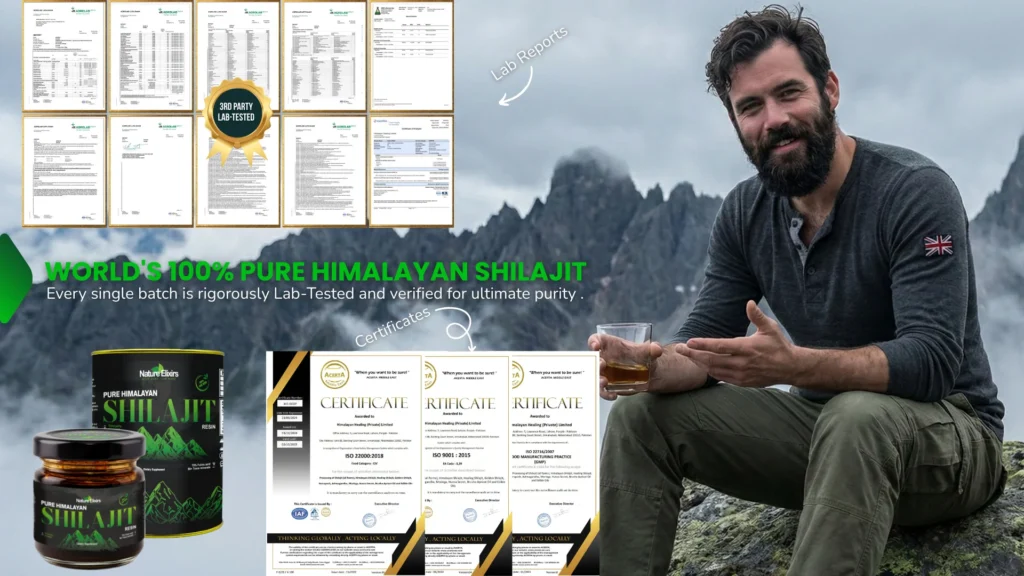
For anyone concerned about safety, it’s important to seek products with full laboratory certifications and independent testing for heavy metals, microbials, and purity markers. Those Shilajits sourced from 18000ft of himalayas stands out — each batch is lab tested and certified, with documentation from Agrolab, Eurofins, IAS Labs, GMP compliance, ISO certifications, and food-grade quality standards. These third-party reports help ensure the product meets strict UK expectations for clean, authentic resin.
Final Thoughts on Choosing Quality Resin
Key Points to Remember When Buying in the UK
When selecting Shilajit — especially in the UK, where buyers expect clean standards and transparent sourcing — the essential points remain clear:
- Choose resin over powder whenever possible. Resin is naturally denser, more bioavailable, and requires less industrial processing.
- Altitude matters. As elevation increases, the purity, mineral concentration, and fulvic richness also rise. High-mountain sources yield the cleanest and most potent material.
- Look for independent lab tests. Certifications from reputable international labs ensure that your Shilajit is safe, uncontaminated, and genuinely mountain-derived.
- Check the fulvic acid content. High-quality resin typically contains significantly higher levels, with premium products offering 75%+ fulvic acid, along with 85+ trace minerals that support natural vitality.
- Evaluate the brand’s transparency. Reliable companies openly share their laboratory reports, certifications, sourcing details, and product standards.
For buyers who want a trusted, high-elevation resin that meets UK safety expectations, should choose a combination of pure Himalayan shilajit resin, verified certifications, rich mineral density, and fulvic-acid concentration of 75%+ makes it a standout choice for users seeking real results and long-term wellness support.
 References & Sources
| # | Reference / Study | Link / DOI / Access |
|---|---|---|
| 1 | Agarwal S.P., Khanna R., Karmarkar R., Anwer M.K., Khar R.K. — Shilajit: A Review. Phytotherapy Research, 2007. | https://doi.org/10.1002/ptr.2100 Ovid+1 |
| 2 | Khanna R., Witt M., Anwer M.K., Agarwal S.P., Koch B.P. — Spectroscopic characterization of fulvic acids extracted from the rock exudate Shilajit. Organic Geochemistry, 2008. | https://doi.org/10.1016/j.orggeochem.2008.08.009 epic2-clone.awi.de+1 |
| 3 | Al-Shubaily F. & Jambi E. — LC/MS Profiling of Shilajit Extract for Antimicrobial & Antifungal and Cytotoxic Activities. International Transaction Journal of Engineering, Management, & Applied Sciences & Technologies, 2022. | http://TUENGR.COM/V13/13A5N.pdf tuengr.com |
| 4 | Kamgar E., Zembrzuska J., Lorenc W. et al. — Screening and quantification of inorganic anions in Shilajit and its supplements. BMC Chemistry, 2025. | https://doi.org/10.1186/s13065-025-01473-7 SpringerLink |
| 5 | Carrasco-Gallardo C., Guzmán L., Maccioni R.B. — Shilajit: A natural phytocomplex with potential procognitive activity. International Journal of Alzheimer’s Disease, 2012. | https://pubmed.ncbi.nlm.nih.gov/22482077/ PubMed |
| 6 | “Scientific Studies on Shilajit: Benefits & Safety” — aggregator summarizing multiple studies on Shilajit’s antioxidant and neuroprotective potential. | https://shilajitjournal.org/research-shilajit Shilajit Research Journal |
| Reference | Link |
|---|---|
| Carrasco-Gallardo C., Guzmán L., Maccioni R.B. — “Shilajit: A natural phytocomplex with potential procognitive activity” (2012, Int J Alzheimers Dis) | ncbi.nlm.nih.gov/pmc/articles/PMC3296184/ |
| Ghosal S. et al. — Chemical constituents and foundational research on Shilajit (classic studies) | pubmed.ncbi.nlm.nih.gov |
| Khanna R., Witt M., Anwer M.K. — Spectroscopic characterization of fulvic acids from Shilajit (Organic Geochemistry, 2008) | doi.org |
| Evaluation of safety profile of black shilajit after 91 days repeated administration in rats (Journal of Ethnopharmacology, 2012) | ncbi.nlm.nih.gov |
| Systematic Review of Shilajit: Clinical efficacy and safety (JPTCP / systematic review) | jptcp.com |
| Carrasco-Gallardo et al. — PubMed summary of Shilajit research (PubMed entry) | pubmed.ncbi.nlm.nih.gov |
| Healthline — “Shilajit: 9 Benefits, Side Effects, and More” (consumer health overview) | www.healthline.com |
| Cleveland Clinic — “Shilajit: Health Benefits, Risks, and Clinical Evidence” | health.clevelandclinic.org |
| News-Medical — “Shilajit: Health Benefits, Risks, and Clinical Evidence” | news-medical.net |
| Verywell Health — “The Best Time to Take Shilajit” & safety notes | verywellhealth.com |
| StrongLife UK — “Shilajit UK Guide – Everything You Need to Know” (UK consumer guide) | stronglife.co.uk |
| Hiba Health Foods — “Best Raw Shilajit in UK” (market comparison) | hibahealthfoods.co.uk |
| PubMed Central — broad Shilajit research search results (useful index) | pubmed.ncbi.nlm.nih.gov |
| Organic import / wholesale guide — “Importing organic Himalayan resin to the UK” (market/regulatory) | organicaprico.com |
| Systematic review pages & aggregator (overview of clinical trials) | jptcp.com |
| BMC Chemistry / analytical studies on Shilajit composition (search results) | bmcchem.biomedcentral.com |
References & Sources
1. Review: Origin, Composition, and Biological Effects of Shilajit
A 2024 scientific review discussing what is known—and not yet known—about Shilajit’s chemistry and potential effects.
https://pubmed.ncbi.nlm.nih.gov/38133965/
2. Assessment of Marketed Shilajit Samples for Chemical Composition & Contaminants
A 2021 analytical study examining purity, heavy metals, antioxidant capacity, and product quality across various samples.
https://pubmed.ncbi.nlm.nih.gov/34800280/
3. Overview of Natural Fulvic Acid Properties and Biological Activities
General peer-reviewed research on fulvic acid, one of the primary components of purified resin.
https://pubmed.ncbi.nlm.nih.gov/21530631/
4. Fulvic Acid as an Anti-Inflammatory and Antioxidant Agent
A study reviewing the beneficial biological roles of fulvic compounds in health.
https://pubmed.ncbi.nlm.nih.gov/32709910/
5. Humic Substances and Mineral-Rich Organic Compounds in Natural Environments
A scientific study describing how humic and fulvic substances occur in geological formations, including high-altitude regions.
https://pubmed.ncbi.nlm.nih.gov/24453051/
6. Heavy Metal Contamination Risks in Traditional Herbal Preparations
Research showing the importance of lab testing and modern safety standards for natural health products.
https://pubmed.ncbi.nlm.nih.gov/17973538/
7. UK Food Safety & Supplement Regulations – FSA Official Guidance
Government guidelines on supplement safety, contamination limits, and consumer protections.
https://www.food.gov.uk/business-guidance/food-supplements
8. UK Import Regulations & Quality Standards for Herbal Supplements
Authority guidance on import rules, testing requirements, and consumer safety.
https://www.gov.uk/guidance/importing-composite-food-products
9. European Food Safety Authority (EFSA) – Scientific Opinions on Natural Substances
Provides general reference for EU safety standards related to minerals and natural extracts.
https://www.efsa.europa.eu/en/topics/topic/food-supplements
10. GMP, ISO, and Manufacturing Quality Standards for Supplements
Reference on Good Manufacturing Practices (GMP) that trustworthy supplement producers typically follow.
https://www.iso.org/standards.html